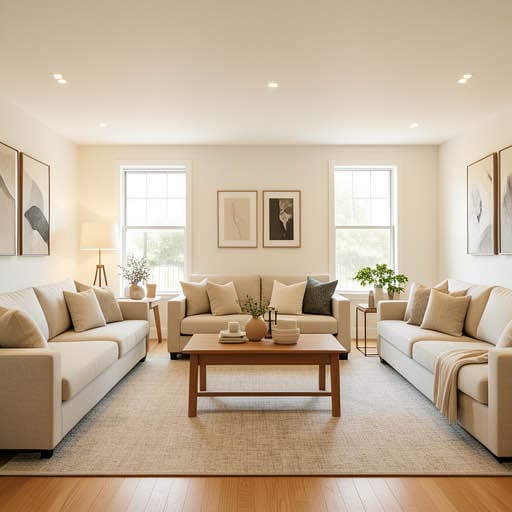
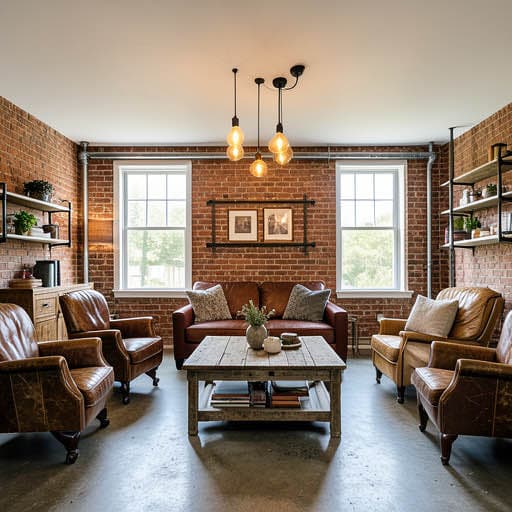
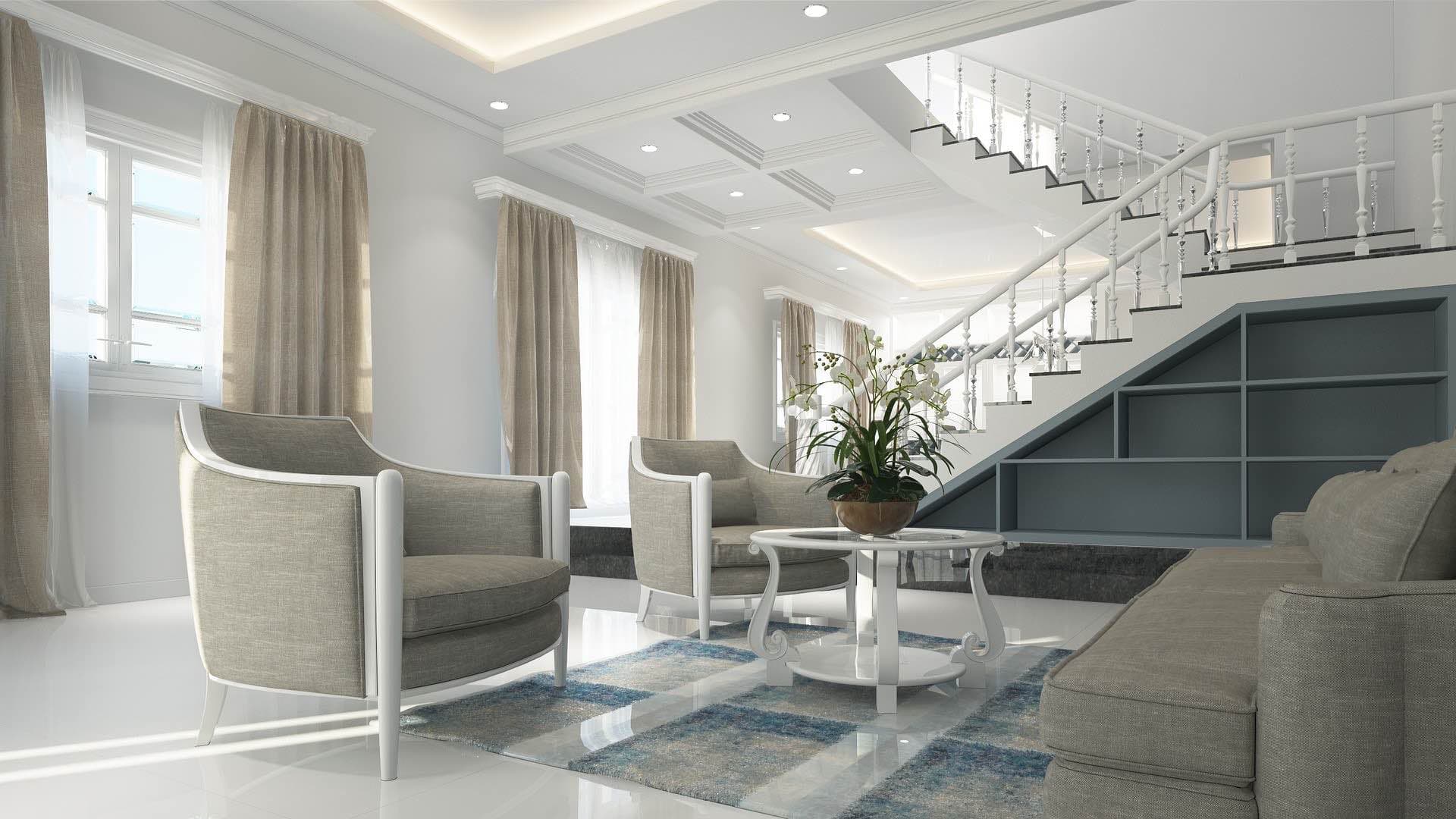
Japandi, defined: the quiet design language taking over 2026
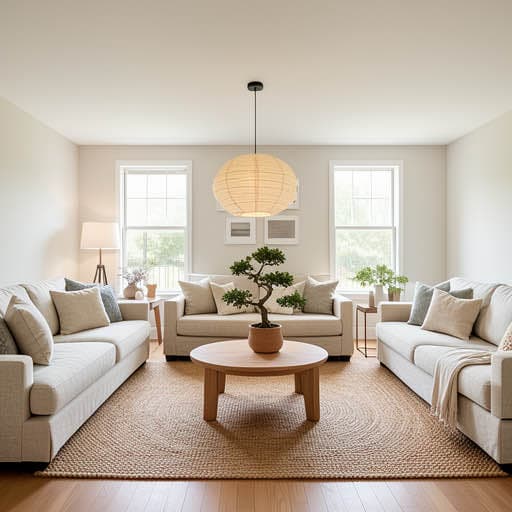
Japandi is the quiet design language of 2026: Japanese austerity meets Scandinavian warmth. The single most-saved style on Pinterest for the year, and the most-tested direction in Renovation AI with 9.5/10 satisfaction in our user surveys. Think low-slung furniture in pale oak and charcoal walnut, linen the color of warm milk, and ceramics that look hand-thrown because they are.
What this saves vs picking a different style
The numbers that matter when committing to a design direction in 2026:
- Average cost to fully outfit a Japandi living room: $4,500-$12,000
- Cost to redo if you picked the wrong style: entire outfit cost, twice
- Resale appeal of Japandi: consistent across all major US markets (high)
- Maintenance burden: low (very few high-maintenance materials)
- Cost to test Japandi on your actual room: $0 in Renovation AI
- 30+ interior styles including Japandi available on Renovation AI
Japandi is the rare style that's both trendy in 2026 and likely to age well. The discipline of the style (very few objects, only neutrals, hand-thrown over machine-made) makes it harder to execute badly than a maximalist style.
Quick comparison of Japandi vs. its neighbors
| Style | Color palette | Furniture profile | Decoration density | Best room fit |
|---|---|---|---|---|
| Japandi | Warm bone + charcoal | Low, oak + walnut | Very low | Living, bedroom, dining |
| Scandinavian | Bright white + pale gray | Mid-height, pale wood | Low-medium | Kitchen, bedroom |
| Minimalist | Pure white | Mixed heights, neutral | Very low | Office, kitchen |
| Warm Minimalism | Mushroom + plaster | Low-medium, mixed | Low | Living, bedroom |
| Wabi-Sabi | Earth tones, irregular | Hand-made, asymmetric | Low | Living, dining |
The 80/20 rule
A Japandi room is 80% neutral and 20% intentional contrast. The neutrals are warm: bone, oat, putty, mushroom. The contrast is a single dark element — a charcoal sofa, a slate stone bowl, a black-stained shoji frame.
If the room has more than two non-neutral colors, it is not Japandi. It is bohemian.
The five surface materials
- Light oak or ash — floors, cabinets, dining tables. Avoid red-toned woods.
- Walnut or wenge — dark accents. One piece, not five.
- Linen — bedding, curtains, slipcovers. Always slightly rumpled.
- Stoneware or porcelain ceramics — hand-thrown, unglazed or matte.
- Hand-finished plaster or limewash walls — never flat eggshell.
The one piece of furniture that always reads Japandi
A low platform bed in oak, no headboard, with a single linen duvet. Add nothing else. The room is now Japandi.
Three Japandi rooms to study
The Japandi living room
Low charcoal linen sofa, light oak coffee table, single hand-thrown ceramic vase with a branch, off-white limewash walls, woven jute rug, one floor lamp with a paper shade.
What works: quiet, intentional, the most forgiving direction for owners who change their mind often. What doesn't: poor fit for north-facing rooms without supplemental warm lighting.
The Japandi bedroom
Low platform bed in dark walnut on a natural fiber rug. Linen bedding in warm off-white, one nightstand, paper pendant overhead, charcoal limewash on the wall behind the bed only, sisal rug.
What works: the lowest-stimulation bedroom direction; sleep-friendly. What doesn't: needs separate storage; closet must be excellent because no dressers.
The Japandi kitchen
Clean flat-panel cabinets in light oak with dark walnut open shelving above. Handmade ceramic dishes on display, minimal counter clutter, matte black hardware.
What works: ages beautifully; reads expensive even when it isn't. What doesn't: open shelving forces constant tidying.
How to test Japandi on your room
Take a photo. Open Renovation AI. Pick Japandi. See your actual room in this style in 28 seconds. If the result feels like home, you have your direction. If it feels cold, you want Scandinavian. If it feels chaotic, you want warm minimalism.
The advantage of Renovation AI specifically for Japandi: the style is hard to describe to a contractor or designer but easy to recognize visually. One render ends three weeks of "what do you mean by Japandi exactly?"
The recommended workflow for going Japandi
- Photograph your room in daylight, with existing furniture in place
- Open [Renovation AI](https://apps.apple.com/us/app/ai-designer-interior-design/id6499474009) and pick Japandi
- Generate 2-3 renders at different intensity levels (30%, 60%, 90%)
- Pick your favorite render. Save to phone
- Sell or donate existing pieces that won't survive the cut — Japandi is about subtraction
- Buy the platform bed or low sofa first — these anchor the whole room
- Buy linens second (bedding, curtains, throws) — easy to swap if wrong
- Add one hand-thrown ceramic as the single statement piece
- Leave 60-80% of walls bare — empty space is a Japandi design element
Frequently asked questions
Is Japandi the same as Scandinavian or Minimalist?
No. Japandi is the fusion of Japanese discipline and Scandinavian warmth. Scandinavian is brighter and more colorful; Minimalist is cooler and more rigid. Japandi is warmer than Minimalist and more disciplined than Scandinavian.
Will Japandi feel cold in winter?
Not if executed correctly. The warm neutrals (bone, oat, putty) plus linen plus paper-shade lighting create warmth without color. Cold Japandi rooms are usually under-executed Scandinavian rooms.
Does Japandi work in small apartments?
Yes — but it requires discipline. The minimal-object rule is hard to follow in a small space where you actually live. Layered Boho often works better for studios under 500 sq ft.
What's the most common Japandi mistake?
Adding too much color. A second non-neutral element (a green plant + a blue throw) breaks the discipline. Japandi tolerates one statement.
Is Japandi going to look dated in 5 years?
Less than most trending styles. The discipline (warm neutrals + hand-made + low furniture) overlaps with timeless modernist principles. Owners typically tire of Japandi at 4-7 years, not 2-3.
Ready to test Japandi on your room?
Get Renovation AI on iPhone, iPad, or Google Play on Android. Three free designs included. See your space in Japandi in 28 seconds.
Related reading
See your room in 30+ styles.
Free to start. No credit card. Photo to redesign in under a minute.